
Building strong communities: 5 important steps in community engagement for infrastructure projects

Infrastructure projects have a profound impact on the communities they serve. Whether it’s building a new road, renovating public spaces, or constructing vital utilities, community engagement plays a critical role in ensuring the success and sustainability of these projects. Effective engagement not only fosters trust and collaboration but also leads to better outcomes that meet the needs and aspirations of the community.
There are a number of key elements to consider when setting out your Community Engagement Strategy, including:
1. Early and Transparent Communication:
Effective community engagement starts at the earliest stages of an infrastructure project. It is crucial to establish clear and transparent communication channels with the community to inform them about the project’s purpose, potential impacts, and benefits. This early engagement helps build trust, manage expectations, and involve community members in the decision-making process from the outset.
2. Active Listening and Stakeholder Involvement:
Listening to community members and stakeholders is a cornerstone of successful community engagement. Organise meetings, focus groups, and public consultations to provide a platform for individuals to voice their concerns, opinions, and ideas. Actively involving stakeholders allows for a more inclusive decision-making process, fostering a sense of ownership and ensuring that the project aligns with the community’s needs and values.
3. Collaboration and Partnerships:
Engaging community organisations, not for profits, and local leaders as partners in the infrastructure project is essential. Collaborative partnerships can bring diverse perspectives, expertise, and resources to the table, ensuring that the project benefits from a broad range of inputs. These partnerships also help in identifying potential challenges and developing innovative solutions that address community concerns.
4. Education and Information Sharing:
Many infrastructure projects involve technical aspects that may not be easily understood by the general public. Providing educational resources and information in accessible formats is crucial to empower community members to participate meaningfully. Present project details in clear, non-technical language, utilise visual aids, and conduct workshops or training sessions to help community members grasp the project’s intricacies and potential impacts.
5. Long-term Engagement and Accountability:
Community engagement should not be limited to the planning and construction phases of an infrastructure project. Establish mechanisms for ongoing dialogue and feedback throughout the project’s lifecycle. Regular updates, progress reports, and opportunities for public input ensure that the community remains informed and engaged. Additionally, establish accountability measures to address concerns, resolve conflicts, and adapt the project as necessary to reflect the evolving needs of the community.
Community engagement is a vital component of successful infrastructure projects. By following these five important steps—establishing clear communication channels, active listening, collaboration and partnerships, education and information sharing, and long-term engagement—project leaders can build strong and inclusive communities. By involving community members in the decision-making process and valuing their input, infrastructure projects can deliver outcomes that not only meet the community’s needs but also foster a sense of ownership, pride, and shared responsibility.
ARE YOU LOOKING FOR STAFF IN THE HUNTER VALLEY NEWCASTLE REGION?
ASR Recruitment is a boutique recruitment agency specialising in Human Resources recruitment, Engineering recruitment, IT & Technology recruitment, Business Support recruitment, Marketing & Communications recruitment, Accounting & Finance recruitment and Construction recruitment.
Find out more by visiting our Clients page!
Looking for a new Role Search Jobs here.
From our blog
Read our articles below to see our latest insights.

No Australian Experience? Here’s How Construction & Engineering Candidates Actually Get Hired
No Australian Experience? Here’s How Construction & Engineering Candidates Actually Get Hired Every week I meet and speak with highly capable construction and engineering professionals who’ve just arrived in Australia on skilled visas. They present with excellent resumes and solid overseas experience and skills. And yet… they describe their struggles to make traction and even…

The Smartest Candidates Don’t Just Answer Questions – They Ask Better Ones
The Smartest Candidates Don’t Just Answer Questions – They Ask Better Ones If you’re job hunting in tech right now, here’s a mindset shift that can genuinely set you apart: Your questions in an interview matter just as much as your answers. Most candidates spend hours preparing responses – but the ones who stand out…

Recruitment With Integrity: Why Honest Conversations Matter More Than Speed
Recruitment With Integrity: Why Honest Conversations Matter More Than Speed After more than a decade working in recruitment and agencies, I’ve learned that the biggest differentiator in this industry isn’t speed, price, or even network. It’s honesty. When I first started, like many recruiters, I believed responsiveness and fast turnarounds were the ultimate markers of…

Executive search vs traditional recruitment: why the methodology matters for business outcomes
Executive search vs traditional recruitment: why the methodology matters for business outcomes At senior levels, recruitment isn’t simply about filling a role. The right appointment has a direct impact on performance, culture, risk, and the organisation’s ability to execute strategy. That’s why hiring at this level is less about finding a capable individual and…

Permanent vs Contract Engineers: Cost, Risk, and Reality
Permanent vs Contract Engineers: Cost, Risk, and Reality When organisations weigh up whether to hire a permanent or contract engineer, the conversation often starts with cost. Unfortunately, it also often ends there – which is where poor hiring decisions are made. In the current engineering market, particularly across mining, manufacturing, infrastructure and heavy industry, the…
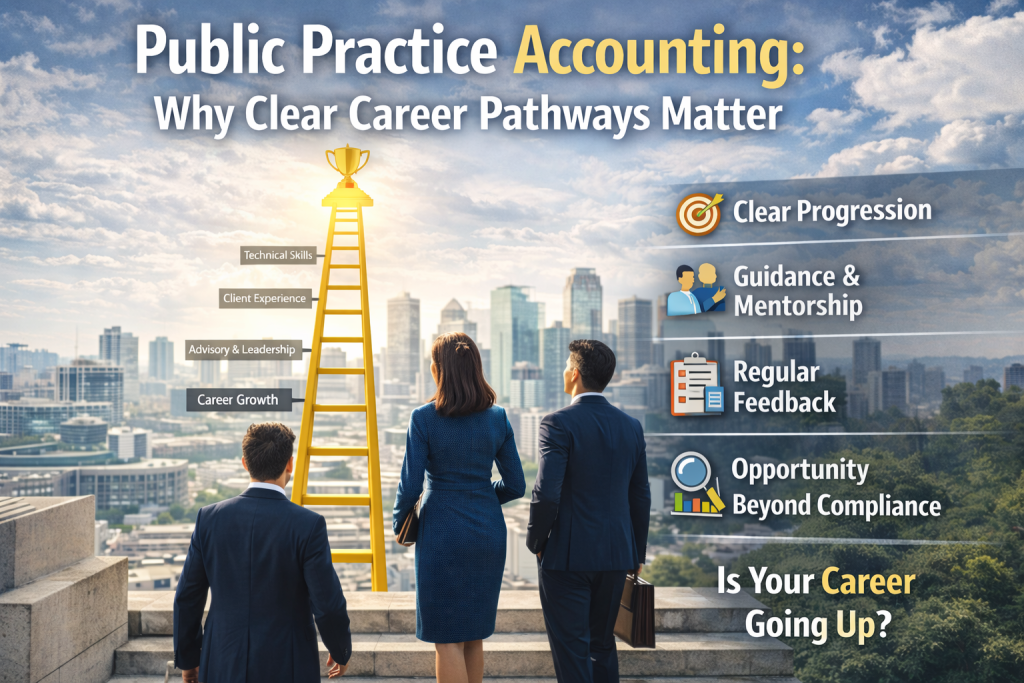
Public Practice Accounting: Why Clear Career Pathways Matter
Public Practice Accounting: Why Clear Career Pathways Matter Public Practice has always offered strong long-term careers, but today, candidates want more than vague promises or the classic “let’s review in six months.” They want clarity, structure and support that is visible every day. People want to know what progression looks like, how it is measured,…

Psychometric Testing: What It Is and Why So Many Businesses Use It
Psychometric Testing: What It Is and Why So Many Businesses Use It Psychometric testing has become a much more common part of the recruitment process over the last few years – and when used properly, it can be incredibly valuable for both businesses and candidates. At its core, psychometric testing helps organisations understand how someone…

What Senior Engineers Really Want in Their Next Role – 2025 Candidate Insight Report
The Engineering Market Has Shifted – Has Your Hiring Strategy? 2025 has brought one of the most competitive engineering talent markets the Hunter Region has seen in years. Senior engineers especially those in electrical, mechanical, automation, control systems and heavy industry disciplines, are in extremely high demand.Yet while employers often assume salary is the primary…

How Your End-of-Year Content Can Strengthen Your Employer Brand
How Your End-of-Year Content Can Strengthen Your Employer Brand As the year winds down, fatigue is real. Teams are wrapping up final projects, inboxes are filling with “last one before the break”, and many businesses are shifting into a slower rhythm. But while it’s tempting to go quiet, this moment is actually one of the…

Understanding Career Progression: Different Paths and What They Can Look Like
Understanding Career Progression: Different Paths and What They Can Look Like As Recruiters, we often talk to candidates who are motivated by growth, but not everyone’s idea of “career progression” looks the same. While many people immediately think of promotions or moving into management, career advancement can take several forms, depending on your skills, goals…