
Chartered Accountant (CA) vs Certified Practising Accountant (CPA): Which Path is Best for Your Accounting Career?”

Chartered Accountant (CA) vs Certified Practising Accountant (CPA)
Deciding on a professional path in accounting is a pivotal choice that will shape your career trajectory. In Australia, two esteemed designations stand out: Chartered Accountant (CA) and Certified Practising Accountant (CPA). Each qualification offers unique advantages, career prospects, and professional development opportunities. This guide provides a detailed comparison between CA and CPA to help you determine the most suitable path for your accounting career.
Chartered Accountant (CA)
The Chartered Accountant designation in Australia is conferred by Chartered Accountant Australia and New Zealand (CA ANZ). This qualification is renowned globally for its rigorous standards and comprehensive training.
To be eligible for your CA you require:
- A recognised bachelor’s degree or equivalent
- Completion of the CA Program, which entails postgraduate study and three years of mentored practical experience
- Successful completion of a series of examinations covering financial reporting, taxation, management accounting, and auditing
The advantage of choosing CA includes:
Global Recognition – The CA designation is highly esteemed internationally, providing extensive opportunities for global mobility
High Standards – The rigorous training and examination process ensure a profound understanding of accounting principles and practices
Diverse Career Opportunities – Cas frequently secure roles across various sectors, including public practice, corporate, government, and academia
Certified Practising Accountant (CPA)
The Certified Practising Accountant designation is offered by CPA Australia. This qualification is also highly respected and impacts a comprehensive understanding of accounting, business, and leadership.
To be eligible for your CPA you require:
- A recognised bachelor’s degree or equivalent
- Completion of the CPA program, which includes postgraduate study and three years of practical experience
- Successful completion of examinations covering ethics and governance, strategic management accounting, financial reporting, and global strategy and leadership
The advantage of choosing CPA includes:
Broad Focus – The CPA designation emphasises both accounting and business acumen, preparing accountants for leadership roles
Flexibility – The CPA program offers flexibility in study modes, enabling candidates to balance professional and academic commitments
Extensive Network – CPA Australia boasts a large membership base, providing extensive networking opportunities and resources
Which Path to Choose?
The choice between CA and CPA should align with your career objectives, professional interests, and personal circumstances.
Career Aspirations
- If your goal is to specialise in auditing, tax, and financial reporting, and you aspire to work internationally, the CA qualification may be more appropriate
- If you aim for a broader business role, including management and leadership positions primarily in Australia, the CPA qualification could be your preferred choice
Educational Preferences
- Consider the structure and content of the CA and CPA programs. Review the subjects covered and the study modes to determine which aligns best with your learning style and professional interests
Networking and Support
- Both CA ANZ and CPA Australia offer extensive networking opportunities and professional support. Explore the benefits provided by each organisation to see which aligns best with your professional needs
From our blog
Read our articles below to see our latest insights.

No Australian Experience? Here’s How Construction & Engineering Candidates Actually Get Hired
No Australian Experience? Here’s How Construction & Engineering Candidates Actually Get Hired Every week I meet and speak with highly capable construction and engineering professionals who’ve just arrived in Australia on skilled visas. They present with excellent resumes and solid overseas experience and skills. And yet… they describe their struggles to make traction and even…

The Smartest Candidates Don’t Just Answer Questions – They Ask Better Ones
The Smartest Candidates Don’t Just Answer Questions – They Ask Better Ones If you’re job hunting in tech right now, here’s a mindset shift that can genuinely set you apart: Your questions in an interview matter just as much as your answers. Most candidates spend hours preparing responses – but the ones who stand out…

Recruitment With Integrity: Why Honest Conversations Matter More Than Speed
Recruitment With Integrity: Why Honest Conversations Matter More Than Speed After more than a decade working in recruitment and agencies, I’ve learned that the biggest differentiator in this industry isn’t speed, price, or even network. It’s honesty. When I first started, like many recruiters, I believed responsiveness and fast turnarounds were the ultimate markers of…

Executive search vs traditional recruitment: why the methodology matters for business outcomes
Executive search vs traditional recruitment: why the methodology matters for business outcomes At senior levels, recruitment isn’t simply about filling a role. The right appointment has a direct impact on performance, culture, risk, and the organisation’s ability to execute strategy. That’s why hiring at this level is less about finding a capable individual and…

Permanent vs Contract Engineers: Cost, Risk, and Reality
Permanent vs Contract Engineers: Cost, Risk, and Reality When organisations weigh up whether to hire a permanent or contract engineer, the conversation often starts with cost. Unfortunately, it also often ends there – which is where poor hiring decisions are made. In the current engineering market, particularly across mining, manufacturing, infrastructure and heavy industry, the…
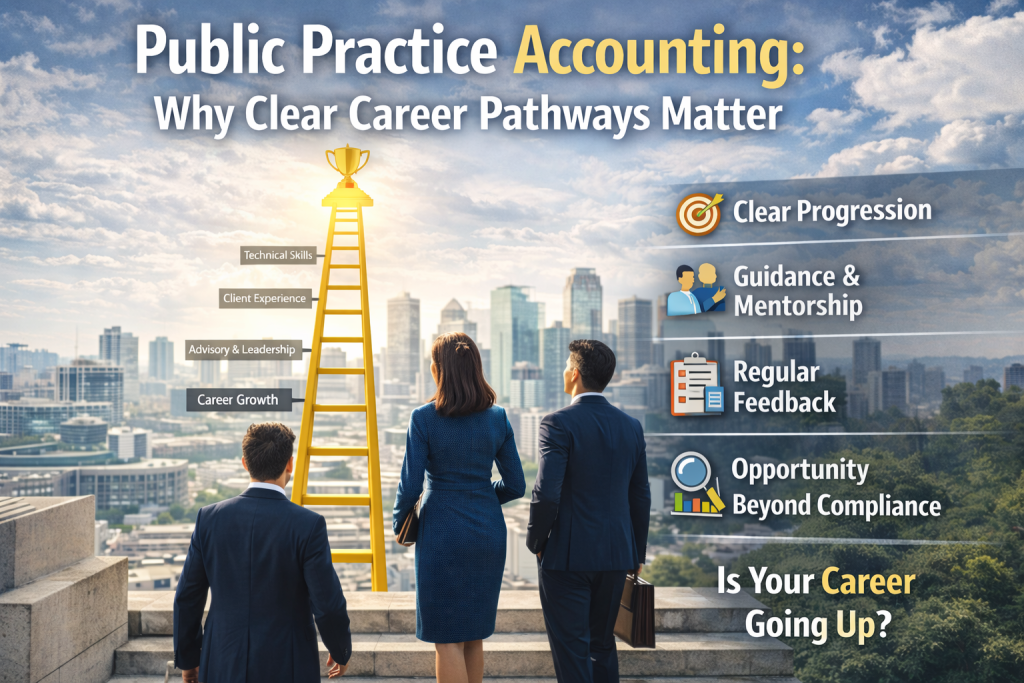
Public Practice Accounting: Why Clear Career Pathways Matter
Public Practice Accounting: Why Clear Career Pathways Matter Public Practice has always offered strong long-term careers, but today, candidates want more than vague promises or the classic “let’s review in six months.” They want clarity, structure and support that is visible every day. People want to know what progression looks like, how it is measured,…

Psychometric Testing: What It Is and Why So Many Businesses Use It
Psychometric Testing: What It Is and Why So Many Businesses Use It Psychometric testing has become a much more common part of the recruitment process over the last few years – and when used properly, it can be incredibly valuable for both businesses and candidates. At its core, psychometric testing helps organisations understand how someone…

What Senior Engineers Really Want in Their Next Role – 2025 Candidate Insight Report
The Engineering Market Has Shifted – Has Your Hiring Strategy? 2025 has brought one of the most competitive engineering talent markets the Hunter Region has seen in years. Senior engineers especially those in electrical, mechanical, automation, control systems and heavy industry disciplines, are in extremely high demand.Yet while employers often assume salary is the primary…

How Your End-of-Year Content Can Strengthen Your Employer Brand
How Your End-of-Year Content Can Strengthen Your Employer Brand As the year winds down, fatigue is real. Teams are wrapping up final projects, inboxes are filling with “last one before the break”, and many businesses are shifting into a slower rhythm. But while it’s tempting to go quiet, this moment is actually one of the…

Understanding Career Progression: Different Paths and What They Can Look Like
Understanding Career Progression: Different Paths and What They Can Look Like As Recruiters, we often talk to candidates who are motivated by growth, but not everyone’s idea of “career progression” looks the same. While many people immediately think of promotions or moving into management, career advancement can take several forms, depending on your skills, goals…