
Executive search vs traditional recruitment: why the methodology matters for business outcomes

Executive search vs traditional recruitment: why the methodology matters for business outcomes
At senior levels, recruitment isn’t simply about filling a role. The right appointment has a direct impact on performance, culture, risk, and the organisation’s ability to execute strategy. That’s why hiring at this level is less about finding a capable individual and more about securing the leadership required for the business to succeed.
Traditional recruitment is typically advertisement-led and application-driven. The role is taken to market and the process focuses on assessing candidates who are actively seeking a move. This can work well where the market is active, the role is clearly understood and there is a strong pool of relevant applicants. It’s often efficient for roles that can be filled through standard attraction channels and where the primary goal is to build a solid shortlist quickly from the active market.
Executive search is a different methodology, designed for roles where the appointment carries greater consequence. It is proactive, research-led and targeted, with the intent of identifying and engaging high-performing leaders who are not actively applying. Search starts with a disciplined briefing to define what success looks like – not just responsibilities, but outcomes, stakeholder expectations, decision-making requirements and risk profile. It then involves market mapping, discreet outreach to target profiles and a deeper qualification process that tests track record, leadership style, judgement and alignment to the environment the leader will operate within.
The key difference is where the shortlist comes from. Traditional recruitment largely draws from the visible, active market. Executive search is built to access the broader, often hidden market, allowing organisations to be deliberate about “who” they want to speak with, rather than relying on who happens to apply.
In summary, traditional recruitment is well suited to roles where applicant flow is strong and risk is lower. Executive search is most appropriate when the role is business-critical, the capability mix is scarce, confidentiality is required, or the organisation wants greater certainty and control. Because at senior levels, the cost of a mis-hire is rarely just a replacement fee – it’s time, momentum, stakeholder confidence and business performance.
ARE YOU CURRENTLY LOOKING TO HIRE?
ASR Recruitment is a boutique recruitment agency specialising in Technology & Digital, Marketing and Communications, Accounting & Finance, Construction, Human Resources, Engineering, Safety, Procurement, Transport & Logistics, Manufacturing, Legal & Risk, Administration & Customer Service.
Find out more by visiting our Clients page!
Looking for a new role? Search Jobs here.
From our blog
Read our articles below to see our latest insights.

Why Good Contracts Professionals Are So Hard to Find
Why Good Contracts Professionals Are So Hard to Find If you speak to most hiring managers across mining, construction, engineering or infrastructure at the moment, you will often hear the same challenge: “We’re struggling to find good contracts people.” Demand for experienced Contracts Administrators, Contracts Specialists and Commercial professionals continues to grow, yet the available…

No Australian Experience? Here’s How Construction & Engineering Candidates Actually Get Hired
No Australian Experience? Here’s How Construction & Engineering Candidates Actually Get Hired Every week I meet and speak with highly capable construction and engineering professionals who’ve just arrived in Australia on skilled visas. They present with excellent resumes and solid overseas experience and skills. And yet… they describe their struggles to make traction and even…

The Smartest Candidates Don’t Just Answer Questions – They Ask Better Ones
The Smartest Candidates Don’t Just Answer Questions – They Ask Better Ones If you’re job hunting in tech right now, here’s a mindset shift that can genuinely set you apart: Your questions in an interview matter just as much as your answers. Most candidates spend hours preparing responses – but the ones who stand out…

Recruitment With Integrity: Why Honest Conversations Matter More Than Speed
Recruitment With Integrity: Why Honest Conversations Matter More Than Speed After more than a decade working in recruitment and agencies, I’ve learned that the biggest differentiator in this industry isn’t speed, price, or even network. It’s honesty. When I first started, like many recruiters, I believed responsiveness and fast turnarounds were the ultimate markers of…

Executive search vs traditional recruitment: why the methodology matters for business outcomes
Executive search vs traditional recruitment: why the methodology matters for business outcomes At senior levels, recruitment isn’t simply about filling a role. The right appointment has a direct impact on performance, culture, risk, and the organisation’s ability to execute strategy. That’s why hiring at this level is less about finding a capable individual and…

Permanent vs Contract Engineers: Cost, Risk, and Reality
Permanent vs Contract Engineers: Cost, Risk, and Reality When organisations weigh up whether to hire a permanent or contract engineer, the conversation often starts with cost. Unfortunately, it also often ends there – which is where poor hiring decisions are made. In the current engineering market, particularly across mining, manufacturing, infrastructure and heavy industry, the…
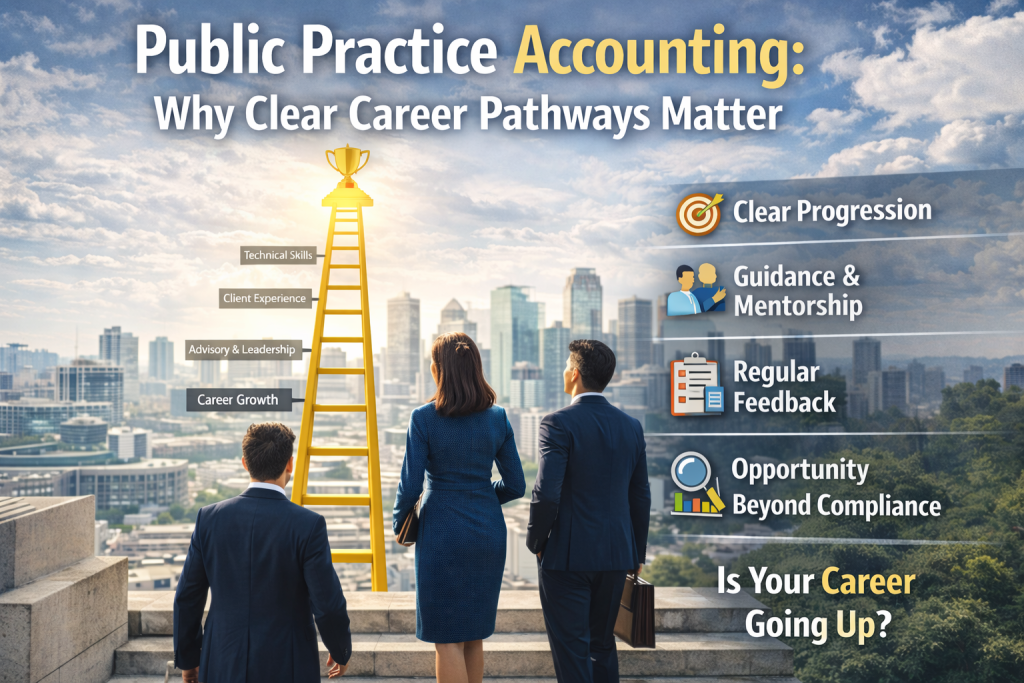
Public Practice Accounting: Why Clear Career Pathways Matter
Public Practice Accounting: Why Clear Career Pathways Matter Public Practice has always offered strong long-term careers, but today, candidates want more than vague promises or the classic “let’s review in six months.” They want clarity, structure and support that is visible every day. People want to know what progression looks like, how it is measured,…

Psychometric Testing: What It Is and Why So Many Businesses Use It
Psychometric Testing: What It Is and Why So Many Businesses Use It Psychometric testing has become a much more common part of the recruitment process over the last few years – and when used properly, it can be incredibly valuable for both businesses and candidates. At its core, psychometric testing helps organisations understand how someone…

What Senior Engineers Really Want in Their Next Role – 2025 Candidate Insight Report
The Engineering Market Has Shifted – Has Your Hiring Strategy? 2025 has brought one of the most competitive engineering talent markets the Hunter Region has seen in years. Senior engineers especially those in electrical, mechanical, automation, control systems and heavy industry disciplines, are in extremely high demand.Yet while employers often assume salary is the primary…

How Your End-of-Year Content Can Strengthen Your Employer Brand
How Your End-of-Year Content Can Strengthen Your Employer Brand As the year winds down, fatigue is real. Teams are wrapping up final projects, inboxes are filling with “last one before the break”, and many businesses are shifting into a slower rhythm. But while it’s tempting to go quiet, this moment is actually one of the…