
First Impressions on Video vs In Person: Are We Starting in the Right Place?

First Impressions on Video vs In Person: Are We Starting in the Right Place?
When COVID hit, “video first” became the norm overnight. Teams and Zoom kept business moving and for a while the choice was simple: meet online or don’t meet at all. Fast-forward to today and many organisations still default to a video call for first conversations – briefings, candidate screens, partner intros – because it feels efficient and low-friction.
But is it the right first step now?
We all know first impressions land fast – and they stick. In recruitment and in business in general, those first few minutes set the tone for everything that follows: the depth of the conversation, how quickly decisions get made and whether people feel confident saying “yes.” Over the last few years, we’ve defaulted to Microsoft Teams or Zoom as the first touch. It’s efficient. It’s convenient. But is it the best way to begin high-stakes relationships?
A recent open-access study in PLOS ONE looked at how we form first impressions on video calls and found something simple but powerful: just the frame around you – the background, lighting, angle, and tiny non-verbal cues – can nudge how trustworthy and competent you appear. In other words, context does some of the talking online. In a boardroom, the context is shared and steady. On video, it’s variable and fragile. That doesn’t make video “bad,” but it does introduce friction at precisely the moment we’re trying to build confidence quickly.
From a recruitment lens, you can feel this in real time. A brilliant candidate can read “flatter” on screen; a cautious hiring manager can seem cooler than they truly are. Micro-delays, camera lag, awkward turn-taking, the slightly-too-dark room – all eat into the warmth and momentum you’d usually build face-to-face. When the goal is trust and speed (shortlists, sell-in, stakeholder alignment, offers), those small gaps matter.
It shows up in business more broadly, too. The first meeting with a potential partner. A tricky client reset. An executive interview panel. A board update with a sensitive recommendation. These aren’t just information exchanges – they’re trust transfers. In person, you benefit from all the signals that deepen rapport: eye contact that isn’t filtered through a lens, the natural rhythm of conversation, shared space, the small walk to the room where people say the thing they didn’t put in the slide. Decisions happen faster when people feel they “get” each other. That feeling is simply easier to create in person.
So why have so many of us settled on “video first, then maybe we’ll meet”? Mostly because it’s practical. But practicality shouldn’t be our only filter, especially when the cost of a lukewarm first impression is delay, indecision or a lost hire. The research suggests we should be more deliberate: use video for cadence and reach; use in-person to establish trust, read nuance and move the ball.
What does that look like in practice?
For recruitment – Keep the very first screen touch short (15–20 minutes to confirm basics and interest), then push the first substantive conversation in person wherever possible, particularly for critical and senior hires – you’ll get a cleaner read on culture fit, stakeholder chemistry and decision appetite.
For clients and partners – If the topic is high stakes, ambiguous or relational (new engagement, renewal, escalation, negotiation) – meet first, then maintain momentum online. You’ll spend less time proving and more time deciding.
When video is unavoidable –
- Control interruptions. Close the door, pop a polite “in a meeting” note up and mute smart speakers. If kids/pets are around, organise cover for that period. (Life happens – if something slips through, acknowledge it with warmth and move on.)
- Sound first, then picture. Use a headset or decent mic; kill echo (soft furnishings help). Silence notifications on phone/laptop to avoid jump scares mid-pitch.
- Eye-line and lighting. Camera at eye level. Light your face from the front (a window or lamp), not from behind. Look at the lens when you make key points.
- Frame like a person, not a bust. Mid-chest to headroom shot; shoulders visible; no awkward angles.
- Professional cues, not props. Simple, clean setting; skip novelty or messy “home tour” backdrops.
- Join two minutes early. Check audio/video, screen-share, and name/role display. Keep self-view off if it distracts you.
- Have a backup. Phone number on the invite, hotspot ready, deck sent in advance – so a glitch doesn’t derail momentum.
- Set the tone. A brief, genuine opener and a natural smile do more for trust than any backdrop.
None of this is an argument to abandon video. It remains fantastic for speed, geography and cost. It’s simply a reminder that how we start matters. If the objective is trust, rapport and meaningful outcomes – especially in critical hire recruitment and high-stakes business settings – face-to-face should be the default, with video as the follow-up, not the other way around.
ARE YOU CURRENTLY LOOKING TO HIRE?
ASR Recruitment is a boutique recruitment agency specialising in Technology & Digital, Marketing and Communications, Accounting & Finance, Construction, Human Resources, Engineering, Safety, Procurement, Transport & Logistics, Manufacturing, Legal & Risk, Administration & Customer Service.
Find out more by visiting our Clients page!
Looking for a new role? Search Jobs here.
From our blog
Read our articles below to see our latest insights.

Contract Workforce Solutions: Helping You Access Untapped Talent
Contract Workforce Solutions: Helping You Access Untapped Talent In the current highly evolving employment market, relying solely on permanent hires can mean missing out on a significant segment of highly skilled professionals. At ASR Recruitment, we work closely with clients to access experienced individuals who are not actively seeking permanent roles but are available for…

Why Good Contracts Professionals Are So Hard to Find
Why Good Contracts Professionals Are So Hard to Find If you speak to most hiring managers across mining, construction, engineering or infrastructure at the moment, you will often hear the same challenge: “We’re struggling to find good contracts people.” Demand for experienced Contracts Administrators, Contracts Specialists and Commercial professionals continues to grow, yet the available…

No Australian Experience? Here’s How Construction & Engineering Candidates Actually Get Hired
No Australian Experience? Here’s How Construction & Engineering Candidates Actually Get Hired Every week I meet and speak with highly capable construction and engineering professionals who’ve just arrived in Australia on skilled visas. They present with excellent resumes and solid overseas experience and skills. And yet… they describe their struggles to make traction and even…

The Smartest Candidates Don’t Just Answer Questions – They Ask Better Ones
The Smartest Candidates Don’t Just Answer Questions – They Ask Better Ones If you’re job hunting in tech right now, here’s a mindset shift that can genuinely set you apart: Your questions in an interview matter just as much as your answers. Most candidates spend hours preparing responses – but the ones who stand out…

Recruitment With Integrity: Why Honest Conversations Matter More Than Speed
Recruitment With Integrity: Why Honest Conversations Matter More Than Speed After more than a decade working in recruitment and agencies, I’ve learned that the biggest differentiator in this industry isn’t speed, price, or even network. It’s honesty. When I first started, like many recruiters, I believed responsiveness and fast turnarounds were the ultimate markers of…

Executive search vs traditional recruitment: why the methodology matters for business outcomes
Executive search vs traditional recruitment: why the methodology matters for business outcomes At senior levels, recruitment isn’t simply about filling a role. The right appointment has a direct impact on performance, culture, risk, and the organisation’s ability to execute strategy. That’s why hiring at this level is less about finding a capable individual and…

Permanent vs Contract Engineers: Cost, Risk, and Reality
Permanent vs Contract Engineers: Cost, Risk, and Reality When organisations weigh up whether to hire a permanent or contract engineer, the conversation often starts with cost. Unfortunately, it also often ends there – which is where poor hiring decisions are made. In the current engineering market, particularly across mining, manufacturing, infrastructure and heavy industry, the…
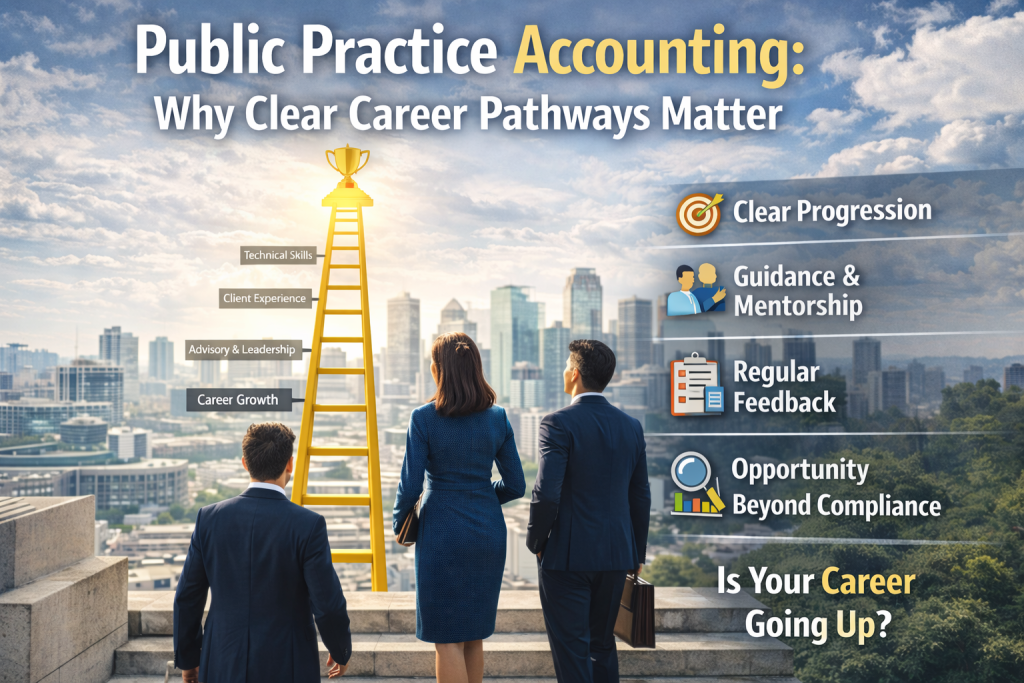
Public Practice Accounting: Why Clear Career Pathways Matter
Public Practice Accounting: Why Clear Career Pathways Matter Public Practice has always offered strong long-term careers, but today, candidates want more than vague promises or the classic “let’s review in six months.” They want clarity, structure and support that is visible every day. People want to know what progression looks like, how it is measured,…

Psychometric Testing: What It Is and Why So Many Businesses Use It
Psychometric Testing: What It Is and Why So Many Businesses Use It Psychometric testing has become a much more common part of the recruitment process over the last few years – and when used properly, it can be incredibly valuable for both businesses and candidates. At its core, psychometric testing helps organisations understand how someone…

What Senior Engineers Really Want in Their Next Role – 2025 Candidate Insight Report
The Engineering Market Has Shifted – Has Your Hiring Strategy? 2025 has brought one of the most competitive engineering talent markets the Hunter Region has seen in years. Senior engineers especially those in electrical, mechanical, automation, control systems and heavy industry disciplines, are in extremely high demand.Yet while employers often assume salary is the primary…