
Psychometric Testing: What It Is and Why So Many Businesses Use It

Psychometric Testing: What It Is and Why So Many Businesses Use It
Psychometric testing has become a much more common part of the recruitment process over the last few years – and when used properly, it can be incredibly valuable for both businesses and candidates.
At its core, psychometric testing helps organisations understand how someone works, not just where they’ve worked before.
What Psychometric Testing Actually Measures
Psychometric assessments are designed to give insight into things that don’t always come through clearly on a CV or in an interview, such as:
- How someone approaches problem solving and decision making
- Communication and behavioural style
- Motivators, values and drivers
- Ability to handle pressure or ambiguity
- Natural strengths and potential development areas
They’re objective, evidence-based tools that add another data point to the hiring process – not a replacement for experience or interviews, but a way to validate and deepen what’s already being assessed.
Why Employers Find It Useful
From a business perspective, psychometric testing helps answer questions like:
- Is this person naturally suited to what this role actually requires day to day?
- How will they work within this team and leadership structure?
- Are their drivers aligned with how this organisation operates?
It’s particularly useful when:
- Roles are high-impact or hard to replace
- Multiple candidates appear equally strong on paper
- The cost of a mis-hire is high (financially, operationally, or culturally)
In these cases, psychometric testing can significantly reduce hiring risk and improve long-term retention.
Role Fit and Organisational Alignment
One of the biggest advantages of psychometric testing is its ability to assess alignment, not just capability.
A candidate can be technically excellent but still struggle if:
- The pace of the role doesn’t suit them
- The leadership style clashes with how they prefer to be managed
- The organisation’s values don’t align with what motivates them
Psychometric insights help employers make more informed decisions about both role fit and organisational fit, which directly impacts performance, engagement and tenure.
Where Psychometric Testing Has Proven Particularly Valuable
While psychometric testing can be applied across most industries, it has shown strong results in roles and sectors where behavioural fit and decision-making are critical.
Some examples include:
Leadership & Management
Used to assess leadership style, emotional intelligence, decision-making under pressure and people management capability.
Procurement, Supply Chain & Commercial Roles
Helpful in understanding risk tolerance, negotiation style, stakeholder management approach and analytical thinking.
Sales & Business Development
Often used to assess resilience, motivation, communication style, competitiveness and approach to targets.
Technical & Engineering Roles
Supports assessment of problem-solving ability, attention to detail, structured thinking and working style within teams.
Professional Services & Corporate Roles
Assists with evaluating client-facing capability, adaptability, collaboration style and alignment with organisational values.
Customer Service & Operational Roles
Used to assess service orientation, stress tolerance, consistency and communication style.
What This Means for Candidates
For candidates, psychometric testing isn’t about passing or failing – it’s about fit.
It can:
- Highlight strengths that don’t always come through in interviews
- Provide insight into your own working preferences
- Help ensure you’re stepping into a role and organisation where you’re more likely to succeed and stay
In many cases, it prevents candidates from being placed into roles that look good on paper but don’t align with how they naturally work.
A Tool to Support Better Hiring Decisions
Psychometric testing should always be used alongside interviews, experience, and reference checks – not in isolation.
When used properly, it supports better conversations, more balanced decision-making, and ultimately stronger long-term outcomes for both employers and candidates.
As recruiters, our job isn’t just to fill roles quickly, it’s to create the right match. Psychometric testing, when applied thoughtfully, is one of the tools that helps achieve that.
ARE YOU CURRENTLY LOOKING TO HIRE?
ASR Recruitment is a boutique recruitment agency specialising in Technology & Digital, Marketing and Communications, Accounting & Finance, Construction, Human Resources, Engineering, Safety, Procurement, Transport & Logistics, Manufacturing, Legal & Risk, Administration & Customer Service.
Find out more by visiting our Clients page!
Looking for a new role? Search Jobs here.
From our blog
Read our articles below to see our latest insights.

Recruitment With Integrity: Why Honest Conversations Matter More Than Speed
Recruitment With Integrity: Why Honest Conversations Matter More Than Speed After more than a decade working in recruitment and agencies, I’ve learned that the biggest differentiator in this industry isn’t speed, price, or even network. It’s honesty. When I first started, like many recruiters, I believed responsiveness and fast turnarounds were the ultimate markers of…

Executive search vs traditional recruitment: why the methodology matters for business outcomes
Executive search vs traditional recruitment: why the methodology matters for business outcomes At senior levels, recruitment isn’t simply about filling a role. The right appointment has a direct impact on performance, culture, risk, and the organisation’s ability to execute strategy. That’s why hiring at this level is less about finding a capable individual and…

Permanent vs Contract Engineers: Cost, Risk, and Reality
Permanent vs Contract Engineers: Cost, Risk, and Reality When organisations weigh up whether to hire a permanent or contract engineer, the conversation often starts with cost. Unfortunately, it also often ends there – which is where poor hiring decisions are made. In the current engineering market, particularly across mining, manufacturing, infrastructure and heavy industry, the…
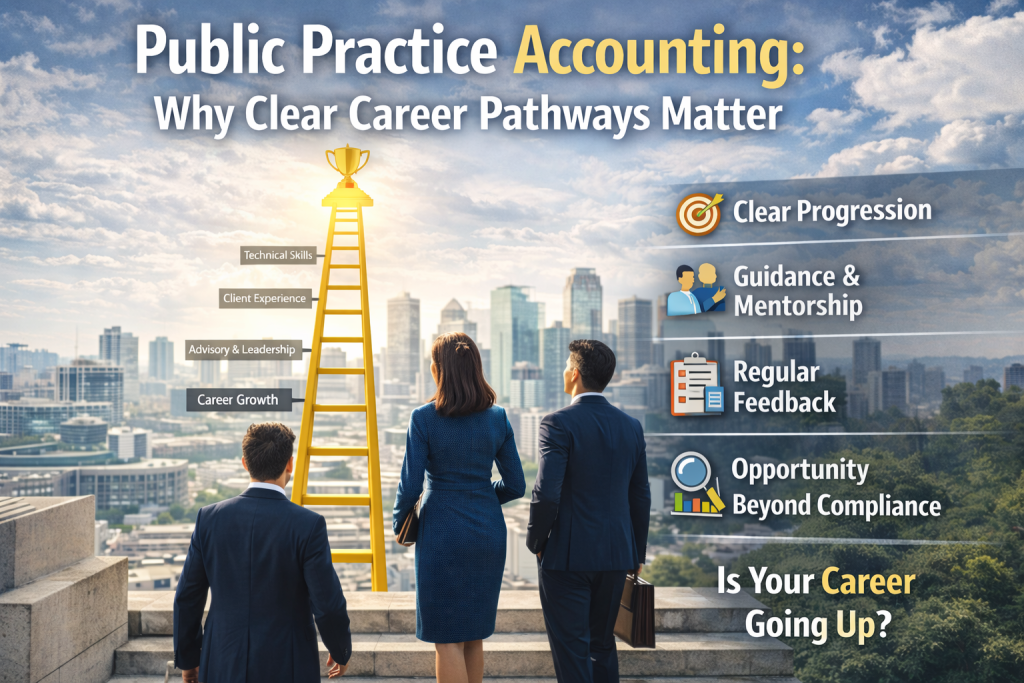
Public Practice Accounting: Why Clear Career Pathways Matter
Public Practice Accounting: Why Clear Career Pathways Matter Public Practice has always offered strong long-term careers, but today, candidates want more than vague promises or the classic “let’s review in six months.” They want clarity, structure and support that is visible every day. People want to know what progression looks like, how it is measured,…

Psychometric Testing: What It Is and Why So Many Businesses Use It
Psychometric Testing: What It Is and Why So Many Businesses Use It Psychometric testing has become a much more common part of the recruitment process over the last few years – and when used properly, it can be incredibly valuable for both businesses and candidates. At its core, psychometric testing helps organisations understand how someone…

What Senior Engineers Really Want in Their Next Role – 2025 Candidate Insight Report
The Engineering Market Has Shifted – Has Your Hiring Strategy? 2025 has brought one of the most competitive engineering talent markets the Hunter Region has seen in years. Senior engineers especially those in electrical, mechanical, automation, control systems and heavy industry disciplines, are in extremely high demand.Yet while employers often assume salary is the primary…

How Your End-of-Year Content Can Strengthen Your Employer Brand
How Your End-of-Year Content Can Strengthen Your Employer Brand As the year winds down, fatigue is real. Teams are wrapping up final projects, inboxes are filling with “last one before the break”, and many businesses are shifting into a slower rhythm. But while it’s tempting to go quiet, this moment is actually one of the…

Understanding Career Progression: Different Paths and What They Can Look Like
Understanding Career Progression: Different Paths and What They Can Look Like As Recruiters, we often talk to candidates who are motivated by growth, but not everyone’s idea of “career progression” looks the same. While many people immediately think of promotions or moving into management, career advancement can take several forms, depending on your skills, goals…

“The single biggest problem in communication is the illusion that it has taken place.”
“The single biggest problem in communication is the illusion that it has taken place.” This year has been hard across many industries in Australia. Teams are lean, budgets are tight, and the work hasn’t slowed. I’m seeing more leaders say publicly that it’s tough to lead right now, and in conversations on both sides a…

First Impressions on Video vs In Person: Are We Starting in the Right Place?
First Impressions on Video vs In Person: Are We Starting in the Right Place? When COVID hit, “video first” became the norm overnight. Teams and Zoom kept business moving and for a while the choice was simple: meet online or don’t meet at all. Fast-forward to today and many organisations still default to a video…