
Psychometric Testing: What It Is and Why So Many Businesses Use It

Psychometric Testing: What It Is and Why So Many Businesses Use It
Psychometric testing has become a much more common part of the recruitment process over the last few years – and when used properly, it can be incredibly valuable for both businesses and candidates.
At its core, psychometric testing helps organisations understand how someone works, not just where they’ve worked before.
What Psychometric Testing Actually Measures
Psychometric assessments are designed to give insight into things that don’t always come through clearly on a CV or in an interview, such as:
- How someone approaches problem solving and decision making
- Communication and behavioural style
- Motivators, values and drivers
- Ability to handle pressure or ambiguity
- Natural strengths and potential development areas
They’re objective, evidence-based tools that add another data point to the hiring process – not a replacement for experience or interviews, but a way to validate and deepen what’s already being assessed.
Why Employers Find It Useful
From a business perspective, psychometric testing helps answer questions like:
- Is this person naturally suited to what this role actually requires day to day?
- How will they work within this team and leadership structure?
- Are their drivers aligned with how this organisation operates?
It’s particularly useful when:
- Roles are high-impact or hard to replace
- Multiple candidates appear equally strong on paper
- The cost of a mis-hire is high (financially, operationally, or culturally)
In these cases, psychometric testing can significantly reduce hiring risk and improve long-term retention.
Role Fit and Organisational Alignment
One of the biggest advantages of psychometric testing is its ability to assess alignment, not just capability.
A candidate can be technically excellent but still struggle if:
- The pace of the role doesn’t suit them
- The leadership style clashes with how they prefer to be managed
- The organisation’s values don’t align with what motivates them
Psychometric insights help employers make more informed decisions about both role fit and organisational fit, which directly impacts performance, engagement and tenure.
Where Psychometric Testing Has Proven Particularly Valuable
While psychometric testing can be applied across most industries, it has shown strong results in roles and sectors where behavioural fit and decision-making are critical.
Some examples include:
Leadership & Management
Used to assess leadership style, emotional intelligence, decision-making under pressure and people management capability.
Procurement, Supply Chain & Commercial Roles
Helpful in understanding risk tolerance, negotiation style, stakeholder management approach and analytical thinking.
Sales & Business Development
Often used to assess resilience, motivation, communication style, competitiveness and approach to targets.
Technical & Engineering Roles
Supports assessment of problem-solving ability, attention to detail, structured thinking and working style within teams.
Professional Services & Corporate Roles
Assists with evaluating client-facing capability, adaptability, collaboration style and alignment with organisational values.
Customer Service & Operational Roles
Used to assess service orientation, stress tolerance, consistency and communication style.
What This Means for Candidates
For candidates, psychometric testing isn’t about passing or failing – it’s about fit.
It can:
- Highlight strengths that don’t always come through in interviews
- Provide insight into your own working preferences
- Help ensure you’re stepping into a role and organisation where you’re more likely to succeed and stay
In many cases, it prevents candidates from being placed into roles that look good on paper but don’t align with how they naturally work.
A Tool to Support Better Hiring Decisions
Psychometric testing should always be used alongside interviews, experience, and reference checks – not in isolation.
When used properly, it supports better conversations, more balanced decision-making, and ultimately stronger long-term outcomes for both employers and candidates.
As recruiters, our job isn’t just to fill roles quickly, it’s to create the right match. Psychometric testing, when applied thoughtfully, is one of the tools that helps achieve that.
ARE YOU CURRENTLY LOOKING TO HIRE?
ASR Recruitment is a boutique recruitment agency specialising in Technology & Digital, Marketing and Communications, Accounting & Finance, Construction, Human Resources, Engineering, Safety, Procurement, Transport & Logistics, Manufacturing, Legal & Risk, Administration & Customer Service.
Find out more by visiting our Clients page!
Looking for a new role? Search Jobs here.
From our blog
Read our articles below to see our latest insights.

Promoting safety all year round: National Safe Work Month, October 2023
As we bid farewell to October, we also conclude National Safe Work Month. This annual event is a timely reminder that workplace safety should be a year-round priority, not just a one-month affair. In this blog, we’ll explore the importance of workplace safety, reflect on the lessons learned during this dedicated month, and discuss how…

Deciphering ‘cultural fit’ in business: Why it matters
In the modern workplace, the term “cultural fit” has become increasingly prevalent in job descriptions and interviews. Companies emphasise the importance of hiring employees who align with their organisational culture. But what exactly does “cultural fit” mean, and why is it so crucial for businesses today? Defining Cultural Fit Cultural fit refers to the…

Navigating a change in your career path: A comprehensive guide
Deciding to switch careers is a significant undertaking, often fuelled by a desire for personal growth, evolving interests, economic considerations, or the pursuit of a more fulfilling vocation. Making this transition a success requires careful planning and strategic steps. Self-assessment and reflection Begin by conducting a thorough self-assessment. Evaluate your skills, strengths, weaknesses, values,…

Fostering sustainable high-performance teams
In today’s Australian workforce, building high-performance teams that can thrive in the long term is essential. Here are streamlined strategies for creating teams that excel while adapting to our dynamic business landscape. Embrace diversity and inclusion: Leverage Australia’s diverse talent pool to enhance creativity and adaptability within your team. Invest in continuous learning: Keep…

Embracing diversity and inclusion: Fuelling a thriving company culture
In today’s hyperconnected and dynamic business landscape, companies are increasingly recognising the invaluable benefits of fostering diversity and inclusion within their workplaces. Beyond meeting legal and moral obligations, cultivating a diverse and inclusive workforce offers numerous advantages that not only enrich company culture but also drive innovation, foster creativity, and enhance problem-solving. Let’s explore why…

The power of perspective: Understanding the full story before making assumptions in a professional setting
In the fast-paced world of business and professional interactions, assumptions are like silent saboteurs that can hinder progress, collaboration, and success. Making assumptions without fully understanding the context or the complete story is a common human tendency, but it’s also a habit that can lead to miscommunication, conflict, and missed opportunities. The Dangers…

Shaping a sustainable future: The role of Engineering in building a greener world
In an era where environmental concerns are at the forefront of global discussions, the role of sustainability in engineering has never been more crucial. As a recruitment consultant working in the engineering industry, you have a unique opportunity to connect talented professionals with companies that are driving positive change. In this blog, we will delve…
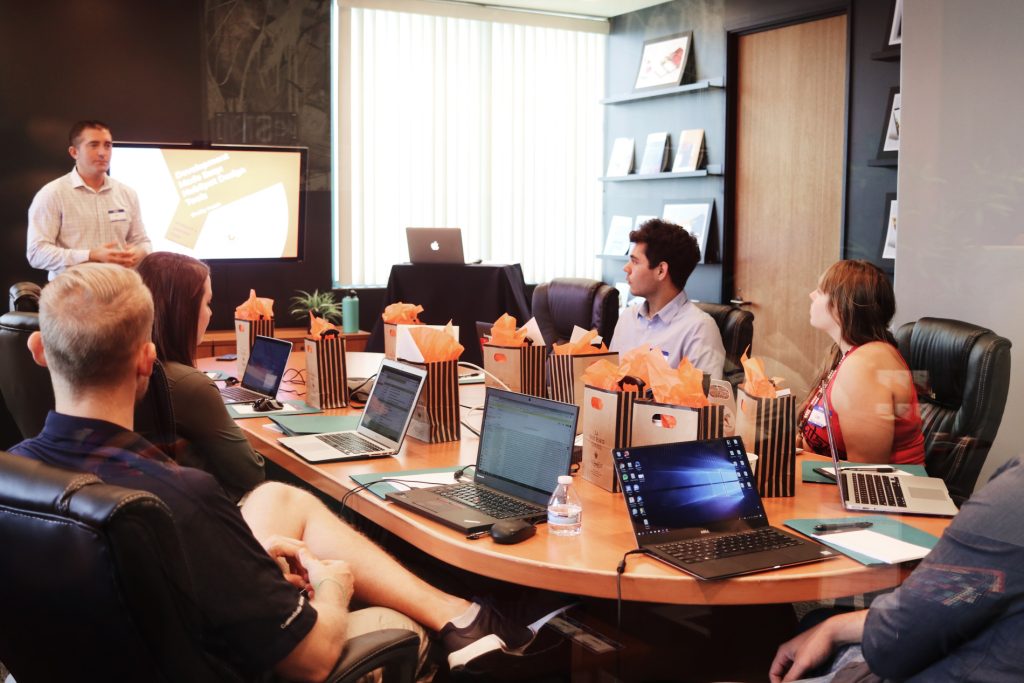
Humanising the future of work: HR Trends for 2023
The world of work is undergoing a profound transformation, driven by rapid technological advancements, changing demographics, and evolving employee expectations. As we step into 2023, human resources (HR) professionals must stay ahead of the curve and adapt to the shifting landscape. In this article, we explore 12 HR trends that are shaping the future of…

Exciting scenarios where accountants can benefit from Excel alternatives
The emergence of electronic spreadsheets played a pivotal role in propelling the business PC revolution during the early 1980s. Ever since then, Microsoft Excel has stood as an indispensable tool for accountants. However, its significance surpasses that of a mere digital ledger; Excel’s capabilities have advanced considerably, offering a diverse array of features for sophisticated…

Understanding the distinction between rightsizing and downsizing in business
In today’s economy, companies often find themselves navigating the delicate balance of optimising their workforce to match their objectives and operational requirements. In this pursuit, two terms frequently arise: “rightsizing” and “downsizing.” While both concepts pertain to managing human resources within an organisation, they hold distinct meanings, implications, and approaches. This article delves into the…