
The Value of Hiring Outside Your Industry

The Value of Hiring Outside Your Industry
Why looking beyond “industry experience” can unlock real business value
One of the most common requirements I hear when taking a brief is: “they must have industry experience.” Sometimes, that’s absolutely necessary. But more often than not, it’s quietly shrinking the talent pool – and in some cases, holding the business back from the very improvements it’s trying to make.
Working across procurement, supply chain and engineering roles in the Hunter, I’ve seen some of the strongest hires come from outside the immediate industry. It’s a region built for this kind of cross-pollination – mining, manufacturing, energy, defence, infrastructure and ports all sit within an hour of each other and the businesses that recognise it are quietly building stronger teams than their competitors.
The Hidden Cost of Hiring Like-for-Like
Hiring from a direct competitor or a similar business feels safe. They understand the terminology, they’ve worked with similar systems and they can usually step in with minimal ramp-up. The trade-off is the part most employers don’t weigh up: you’re also importing the same ways of solving problems, the same assumptions about “how things are done” and the same blind spots that exist across the industry.
Over time, that compounds. Especially in procurement, supply chain, engineering and operations – functions where continuous improvement is the whole point – hiring the same profile repeatedly can quietly entrench the very inefficiencies you’re paying that person to fix.
What Hiring Outside Industry Actually Brings
- Fresh Perspective on Old Problems
Someone from a different industry isn’t tied to your internal norms. They’re more likely to ask why something is done a certain way, whether there’s a more efficient process, and what’s actually driving a particular decision. That kind of curiosity is often where real improvement starts – whether it’s reducing cost, improving supplier performance, or removing inefficiencies that have been accepted for years simply because no one new was around to question them.
- Proven Ideas from Other Sectors
Different industries solve similar problems in completely different ways. Manufacturing businesses often excel in lean processes and continuous improvement. Mining and resources tend to be strong in risk management and compliance discipline. FMCG and retail are typically faster-paced and more data-driven. When you bring someone across, you’re not taking a risk – you’re importing ideas that have already been tested and proven somewhere else.
- Stronger Change and Improvement Capability
Candidates who have successfully moved industries before are usually faster to learn, quicker to adapt, and more comfortable challenging the existing way of working. Those are exactly the traits you want in roles focused on transformation, optimisation or growth. In many cases, it isn’t industry knowledge that drives success in those roles – it’s the ability to influence, analyse and implement change.
- Broader Commercial Thinking
Someone who has worked across multiple sectors tends to bring a more balanced commercial lens. They’re less likely to default to “this is how we’ve always done it” and more likely to weigh cost, risk and value from several angles, challenge legacy decisions, and connect operational outcomes back to broader business goals. That’s a meaningful upgrade in any function that touches spend, supplier relationships or capital decisions.
What This Looks Like in Practice
This isn’t theory. It’s something I see regularly across the Hunter. A procurement professional moves from manufacturing into a mining business and within their first six months, identifies supplier consolidation and contract structure opportunities the existing team had stopped seeing. An engineer transitions from consultancy into heavy industry and reshapes how capital projects are scoped and handed over to operations, simply because they’ve seen what good project governance looks like elsewhere. A supply chain lead moves from FMCG into industrial and brings demand-planning rigour to a business that had been running on spreadsheets and supplier goodwill.
In every case, the value didn’t come from knowing the product – it came from everything they brought with them.
Where Cross-Industry Hiring Works Best
Hiring outside industry tends to work particularly well when the role is process-driven rather than product-specific, when the core skills are clearly transferable (procurement, contracts, supply chain, engineering, quality, operations), when the business is going through change, growth or transformation, and when there is genuine onboarding and internal support to bring someone up to speed. In a region like the Hunter – where the same skill sets sit across mining, manufacturing, energy and infrastructure – that kind of cross-industry movement is a real advantage when it’s done intentionally.
When It Doesn’t Make Sense
It’s also important to be realistic. Cross-industry hiring isn’t always the right call. If highly specialised technical knowledge is needed from day one, if regulatory or compliance requirements are strict and unforgiving, or if there isn’t the bandwidth internally to support someone through a learning curve, an industry hire is often the better answer. The point isn’t to remove industry experience from your criteria – it’s to understand when it’s genuinely critical and when it has quietly become a default.
Final Thought
The strongest teams I see aren’t built by hiring the same profile over and over again. They’re built by combining deep industry knowledge with fresh, external perspective – and trusting that the right person can bridge the gap faster than the org chart suggests.
If you’re struggling to find the “perfect” industry match, it might be worth asking a different question: do they need to come from your industry, or do they just need to improve how your business operates?
If you’d like to talk through what cross-industry hiring could look like for a specific role you’re working on – or have a candid conversation about the transferable talent currently sitting in the Hunter market – reach out anytime at lh@asr.com.au.
ARE YOU CURRENTLY LOOKING TO HIRE?
ASR Recruitment is a boutique recruitment agency specialising in Technology & Digital, Marketing and Communications, Accounting & Finance, Construction, Human Resources, Engineering, Safety, Procurement, Transport & Logistics, Manufacturing, Legal & Risk, Administration & Customer Service.
Find out more by visiting our Clients page!
Looking for a new role? Search Jobs here.
From our blog
Read our articles below to see our latest insights.

No Australian Experience? Here’s How Construction & Engineering Candidates Actually Get Hired
No Australian Experience? Here’s How Construction & Engineering Candidates Actually Get Hired Every week I meet and speak with highly capable construction and engineering professionals who’ve just arrived in Australia on skilled visas. They present with excellent resumes and solid overseas experience and skills. And yet… they describe their struggles to make traction and even…

The Smartest Candidates Don’t Just Answer Questions – They Ask Better Ones
The Smartest Candidates Don’t Just Answer Questions – They Ask Better Ones If you’re job hunting in tech right now, here’s a mindset shift that can genuinely set you apart: Your questions in an interview matter just as much as your answers. Most candidates spend hours preparing responses – but the ones who stand out…

Recruitment With Integrity: Why Honest Conversations Matter More Than Speed
Recruitment With Integrity: Why Honest Conversations Matter More Than Speed After more than a decade working in recruitment and agencies, I’ve learned that the biggest differentiator in this industry isn’t speed, price, or even network. It’s honesty. When I first started, like many recruiters, I believed responsiveness and fast turnarounds were the ultimate markers of…

Executive search vs traditional recruitment: why the methodology matters for business outcomes
Executive search vs traditional recruitment: why the methodology matters for business outcomes At senior levels, recruitment isn’t simply about filling a role. The right appointment has a direct impact on performance, culture, risk, and the organisation’s ability to execute strategy. That’s why hiring at this level is less about finding a capable individual and…

Permanent vs Contract Engineers: Cost, Risk, and Reality
Permanent vs Contract Engineers: Cost, Risk, and Reality When organisations weigh up whether to hire a permanent or contract engineer, the conversation often starts with cost. Unfortunately, it also often ends there – which is where poor hiring decisions are made. In the current engineering market, particularly across mining, manufacturing, infrastructure and heavy industry, the…
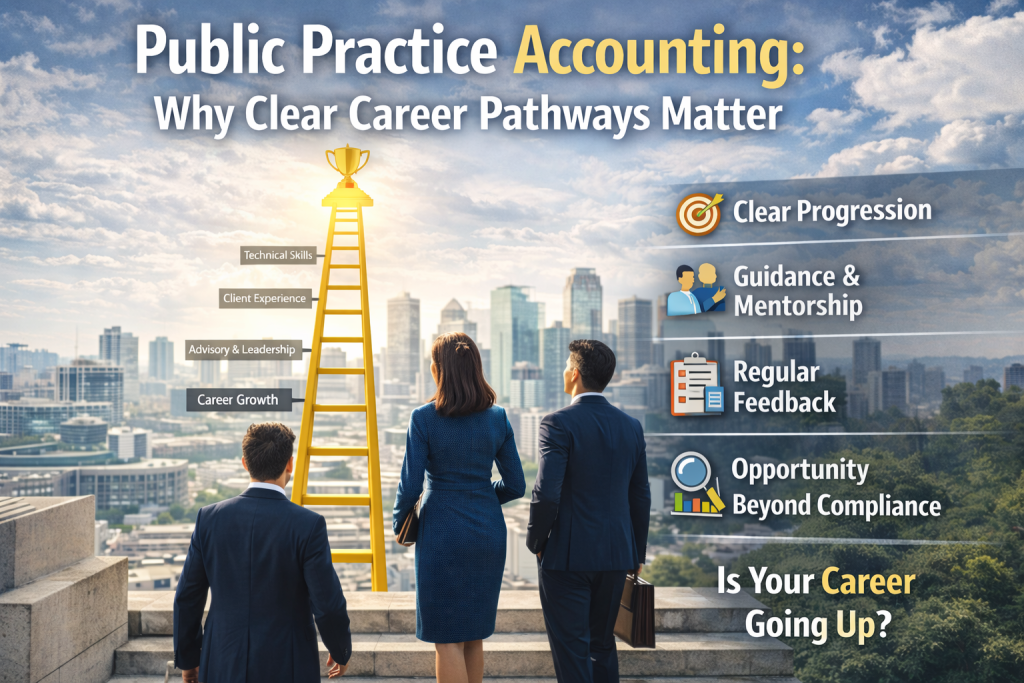
Public Practice Accounting: Why Clear Career Pathways Matter
Public Practice Accounting: Why Clear Career Pathways Matter Public Practice has always offered strong long-term careers, but today, candidates want more than vague promises or the classic “let’s review in six months.” They want clarity, structure and support that is visible every day. People want to know what progression looks like, how it is measured,…

Psychometric Testing: What It Is and Why So Many Businesses Use It
Psychometric Testing: What It Is and Why So Many Businesses Use It Psychometric testing has become a much more common part of the recruitment process over the last few years – and when used properly, it can be incredibly valuable for both businesses and candidates. At its core, psychometric testing helps organisations understand how someone…

What Senior Engineers Really Want in Their Next Role – 2025 Candidate Insight Report
The Engineering Market Has Shifted – Has Your Hiring Strategy? 2025 has brought one of the most competitive engineering talent markets the Hunter Region has seen in years. Senior engineers especially those in electrical, mechanical, automation, control systems and heavy industry disciplines, are in extremely high demand.Yet while employers often assume salary is the primary…

How Your End-of-Year Content Can Strengthen Your Employer Brand
How Your End-of-Year Content Can Strengthen Your Employer Brand As the year winds down, fatigue is real. Teams are wrapping up final projects, inboxes are filling with “last one before the break”, and many businesses are shifting into a slower rhythm. But while it’s tempting to go quiet, this moment is actually one of the…

Understanding Career Progression: Different Paths and What They Can Look Like
Understanding Career Progression: Different Paths and What They Can Look Like As Recruiters, we often talk to candidates who are motivated by growth, but not everyone’s idea of “career progression” looks the same. While many people immediately think of promotions or moving into management, career advancement can take several forms, depending on your skills, goals…