
Understanding Career Progression: Different Paths and What They Can Look Like

Understanding Career Progression: Different Paths and What They Can Look Like
As Recruiters, we often talk to candidates who are motivated by growth, but not everyone’s idea of “career progression” looks the same. While many people immediately think of promotions or moving into management, career advancement can take several forms, depending on your skills, goals and the industry you’re in. Understanding these avenues can help you plan your next move strategically.
- Vertical Progression – The Traditional Ladder
Vertical progression is the most familiar form of career growth. It involves moving up the hierarchy within your current field or organisation.
What it can look like:
- An Office Coordinator becoming an Office Manager.
- A Customer Service Representative moving into a Team Leader or Supervisor role.
Benefits:
- Increased responsibility and leadership opportunities.
- Often comes with higher pay and additional benefits.
Things to keep in mind:
- Requires consistent performance and demonstration of leadership potential.
- Can sometimes be slow in smaller organisations with fewer hierarchical levels.
- Lateral Moves – Broadening Skills
Lateral progression focuses on moving across roles at a similar level to build new skills, knowledge or exposure.
What it can look like:
- Moving from Customer Service to Administration to understand administrative processes.
- Transitioning from Internal Sales into Business Development or Account Management.
- Shifting from Procurement to Supply Chain or Logistics coordination.
Benefits:
- Expands your skill set and makes you more versatile.
- Helps you discover what you enjoy most and where your strengths lie.
- Can prepare you for future leadership roles.
Things to keep in mind:
- Pay may not increase immediately.
- Success depends on your willingness to adapt and learn new skills.
- Specialist or Expert Path – Becoming the Go-To Person
Some professionals prefer to deepen their expertise rather than moving into management. This is often called a technical or specialist progression path.
What it can look like:
- A Procurement Officer becoming a Category Specialist or Procurement Analyst.
- A Transport & Logistics Coordinator becoming an Operations or Compliance Specialist.
- A Customer Service professional becoming a CRM or Process Expert.
Benefits:
- Positions you as a highly valued expert in your field.
- Can lead to niche roles that are in high demand.
- Often comes with recognition, professional development and sometimes higher pay without management responsibilities.
Things to keep in mind:
- It requires ongoing learning and staying current in your field.
- Specialist roles can sometimes limit lateral movement outside your area of expertise.
- Entrepreneurial or Portfolio Career – Creating Your Own Path
For some, progression means diversifying experience or taking on new challenges rather than following a traditional route.
What it can look like:
- A Sales professional taking on additional responsibilities in a new market segment or leading a product launch within their company.
- A Logistics or Transport professional managing multiple projects or coordinating operations across different regions.
- A Customer Service or Administration specialist leading process improvement initiatives or managing cross-departmental projects to develop broader skills.
Things to keep in mind:
- Requires strong organisation, time management, and the ability to juggle multiple responsibilities.
- Success depends on being proactive and taking initiative.
- Provides opportunities to develop leadership, project management, and strategic skills that can accelerate career growth.
- Hybrid Progression – Combining Paths
Many people find the most satisfying growth comes from a combination of these paths. You might move laterally for experience, take on specialist projects and then step into a leadership role when ready. The key is to stay intentional about your career choices and align them with your long-term goals.
Final Thoughts
Career progression is not one-size-fits-all. Whether you’re aiming to climb the ladder, broaden your skills, become an expert, or create your own path, knowing your options can help you make strategic decisions that align with your skills, interests, and lifestyle.
If you’re unsure which path is right for you, consider speaking with a recruiter – we can provide insights into the local market, future opportunities and what skills employers are actively seeking here in Newcastle.
ARE YOU CURRENTLY LOOKING TO HIRE?
ASR Recruitment is a boutique recruitment agency specialising in Technology & Digital, Marketing and Communications, Accounting & Finance, Construction, Human Resources, Engineering, Safety, Procurement, Transport & Logistics, Manufacturing, Legal & Risk, Administration & Customer Service.
Find out more by visiting our Clients page!
Looking for a new role? Search Jobs here.
From our blog
Read our articles below to see our latest insights.

Contract Workforce Solutions: Helping You Access Untapped Talent
Contract Workforce Solutions: Helping You Access Untapped Talent In the current highly evolving employment market, relying solely on permanent hires can mean missing out on a significant segment of highly skilled professionals. At ASR Recruitment, we work closely with clients to access experienced individuals who are not actively seeking permanent roles but are available for…

Why Good Contracts Professionals Are So Hard to Find
Why Good Contracts Professionals Are So Hard to Find If you speak to most hiring managers across mining, construction, engineering or infrastructure at the moment, you will often hear the same challenge: “We’re struggling to find good contracts people.” Demand for experienced Contracts Administrators, Contracts Specialists and Commercial professionals continues to grow, yet the available…

No Australian Experience? Here’s How Construction & Engineering Candidates Actually Get Hired
No Australian Experience? Here’s How Construction & Engineering Candidates Actually Get Hired Every week I meet and speak with highly capable construction and engineering professionals who’ve just arrived in Australia on skilled visas. They present with excellent resumes and solid overseas experience and skills. And yet… they describe their struggles to make traction and even…

The Smartest Candidates Don’t Just Answer Questions – They Ask Better Ones
The Smartest Candidates Don’t Just Answer Questions – They Ask Better Ones If you’re job hunting in tech right now, here’s a mindset shift that can genuinely set you apart: Your questions in an interview matter just as much as your answers. Most candidates spend hours preparing responses – but the ones who stand out…

Recruitment With Integrity: Why Honest Conversations Matter More Than Speed
Recruitment With Integrity: Why Honest Conversations Matter More Than Speed After more than a decade working in recruitment and agencies, I’ve learned that the biggest differentiator in this industry isn’t speed, price, or even network. It’s honesty. When I first started, like many recruiters, I believed responsiveness and fast turnarounds were the ultimate markers of…

Executive search vs traditional recruitment: why the methodology matters for business outcomes
Executive search vs traditional recruitment: why the methodology matters for business outcomes At senior levels, recruitment isn’t simply about filling a role. The right appointment has a direct impact on performance, culture, risk, and the organisation’s ability to execute strategy. That’s why hiring at this level is less about finding a capable individual and…

Permanent vs Contract Engineers: Cost, Risk, and Reality
Permanent vs Contract Engineers: Cost, Risk, and Reality When organisations weigh up whether to hire a permanent or contract engineer, the conversation often starts with cost. Unfortunately, it also often ends there – which is where poor hiring decisions are made. In the current engineering market, particularly across mining, manufacturing, infrastructure and heavy industry, the…
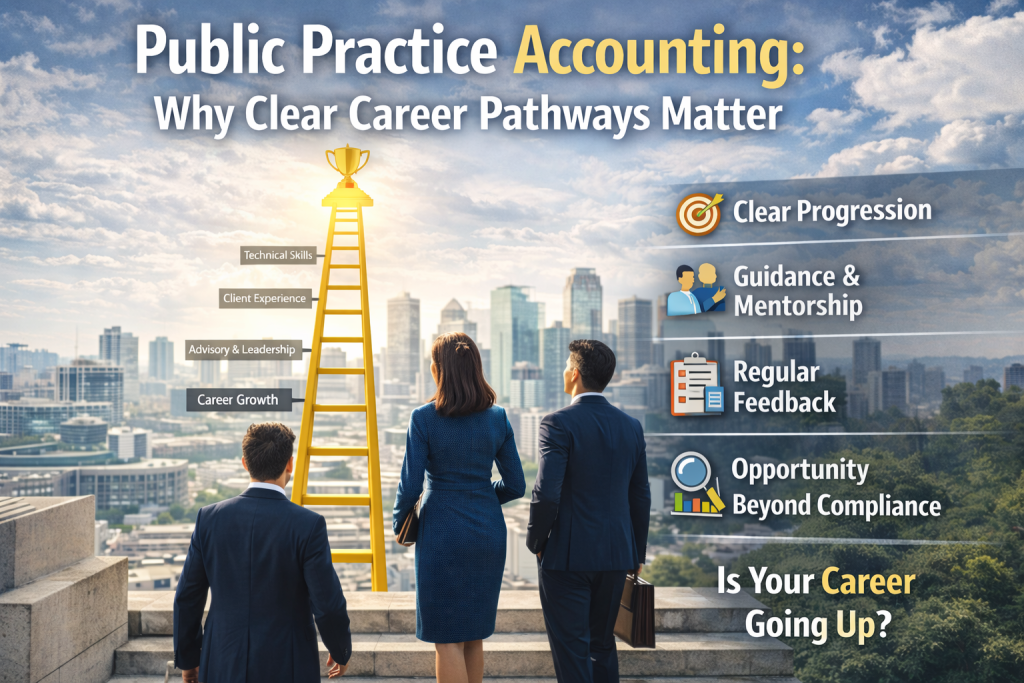
Public Practice Accounting: Why Clear Career Pathways Matter
Public Practice Accounting: Why Clear Career Pathways Matter Public Practice has always offered strong long-term careers, but today, candidates want more than vague promises or the classic “let’s review in six months.” They want clarity, structure and support that is visible every day. People want to know what progression looks like, how it is measured,…

Psychometric Testing: What It Is and Why So Many Businesses Use It
Psychometric Testing: What It Is and Why So Many Businesses Use It Psychometric testing has become a much more common part of the recruitment process over the last few years – and when used properly, it can be incredibly valuable for both businesses and candidates. At its core, psychometric testing helps organisations understand how someone…

What Senior Engineers Really Want in Their Next Role – 2025 Candidate Insight Report
The Engineering Market Has Shifted – Has Your Hiring Strategy? 2025 has brought one of the most competitive engineering talent markets the Hunter Region has seen in years. Senior engineers especially those in electrical, mechanical, automation, control systems and heavy industry disciplines, are in extremely high demand.Yet while employers often assume salary is the primary…