
The Value of Hiring Outside Your Industry

The Value of Hiring Outside Your Industry
Why looking beyond “industry experience” can unlock real business value
One of the most common requirements I hear when taking a brief is: “they must have industry experience.” Sometimes, that’s absolutely necessary. But more often than not, it’s quietly shrinking the talent pool – and in some cases, holding the business back from the very improvements it’s trying to make.
Working across procurement, supply chain and engineering roles in the Hunter, I’ve seen some of the strongest hires come from outside the immediate industry. It’s a region built for this kind of cross-pollination – mining, manufacturing, energy, defence, infrastructure and ports all sit within an hour of each other and the businesses that recognise it are quietly building stronger teams than their competitors.
The Hidden Cost of Hiring Like-for-Like
Hiring from a direct competitor or a similar business feels safe. They understand the terminology, they’ve worked with similar systems and they can usually step in with minimal ramp-up. The trade-off is the part most employers don’t weigh up: you’re also importing the same ways of solving problems, the same assumptions about “how things are done” and the same blind spots that exist across the industry.
Over time, that compounds. Especially in procurement, supply chain, engineering and operations – functions where continuous improvement is the whole point – hiring the same profile repeatedly can quietly entrench the very inefficiencies you’re paying that person to fix.
What Hiring Outside Industry Actually Brings
- Fresh Perspective on Old Problems
Someone from a different industry isn’t tied to your internal norms. They’re more likely to ask why something is done a certain way, whether there’s a more efficient process, and what’s actually driving a particular decision. That kind of curiosity is often where real improvement starts – whether it’s reducing cost, improving supplier performance, or removing inefficiencies that have been accepted for years simply because no one new was around to question them.
- Proven Ideas from Other Sectors
Different industries solve similar problems in completely different ways. Manufacturing businesses often excel in lean processes and continuous improvement. Mining and resources tend to be strong in risk management and compliance discipline. FMCG and retail are typically faster-paced and more data-driven. When you bring someone across, you’re not taking a risk – you’re importing ideas that have already been tested and proven somewhere else.
- Stronger Change and Improvement Capability
Candidates who have successfully moved industries before are usually faster to learn, quicker to adapt, and more comfortable challenging the existing way of working. Those are exactly the traits you want in roles focused on transformation, optimisation or growth. In many cases, it isn’t industry knowledge that drives success in those roles – it’s the ability to influence, analyse and implement change.
- Broader Commercial Thinking
Someone who has worked across multiple sectors tends to bring a more balanced commercial lens. They’re less likely to default to “this is how we’ve always done it” and more likely to weigh cost, risk and value from several angles, challenge legacy decisions, and connect operational outcomes back to broader business goals. That’s a meaningful upgrade in any function that touches spend, supplier relationships or capital decisions.
What This Looks Like in Practice
This isn’t theory. It’s something I see regularly across the Hunter. A procurement professional moves from manufacturing into a mining business and within their first six months, identifies supplier consolidation and contract structure opportunities the existing team had stopped seeing. An engineer transitions from consultancy into heavy industry and reshapes how capital projects are scoped and handed over to operations, simply because they’ve seen what good project governance looks like elsewhere. A supply chain lead moves from FMCG into industrial and brings demand-planning rigour to a business that had been running on spreadsheets and supplier goodwill.
In every case, the value didn’t come from knowing the product – it came from everything they brought with them.
Where Cross-Industry Hiring Works Best
Hiring outside industry tends to work particularly well when the role is process-driven rather than product-specific, when the core skills are clearly transferable (procurement, contracts, supply chain, engineering, quality, operations), when the business is going through change, growth or transformation, and when there is genuine onboarding and internal support to bring someone up to speed. In a region like the Hunter – where the same skill sets sit across mining, manufacturing, energy and infrastructure – that kind of cross-industry movement is a real advantage when it’s done intentionally.
When It Doesn’t Make Sense
It’s also important to be realistic. Cross-industry hiring isn’t always the right call. If highly specialised technical knowledge is needed from day one, if regulatory or compliance requirements are strict and unforgiving, or if there isn’t the bandwidth internally to support someone through a learning curve, an industry hire is often the better answer. The point isn’t to remove industry experience from your criteria – it’s to understand when it’s genuinely critical and when it has quietly become a default.
Final Thought
The strongest teams I see aren’t built by hiring the same profile over and over again. They’re built by combining deep industry knowledge with fresh, external perspective – and trusting that the right person can bridge the gap faster than the org chart suggests.
If you’re struggling to find the “perfect” industry match, it might be worth asking a different question: do they need to come from your industry, or do they just need to improve how your business operates?
If you’d like to talk through what cross-industry hiring could look like for a specific role you’re working on – or have a candid conversation about the transferable talent currently sitting in the Hunter market – reach out anytime at lh@asr.com.au.
ARE YOU CURRENTLY LOOKING TO HIRE?
ASR Recruitment is a boutique recruitment agency specialising in Technology & Digital, Marketing and Communications, Accounting & Finance, Construction, Human Resources, Engineering, Safety, Procurement, Transport & Logistics, Manufacturing, Legal & Risk, Administration & Customer Service.
Find out more by visiting our Clients page!
Looking for a new role? Search Jobs here.
From our blog
Read our articles below to see our latest insights.

Understanding the distinction between rightsizing and downsizing in business
In today’s economy, companies often find themselves navigating the delicate balance of optimising their workforce to match their objectives and operational requirements. In this pursuit, two terms frequently arise: “rightsizing” and “downsizing.” While both concepts pertain to managing human resources within an organisation, they hold distinct meanings, implications, and approaches. This article delves into the…
Navigating business efficiency: Understanding ERP systems
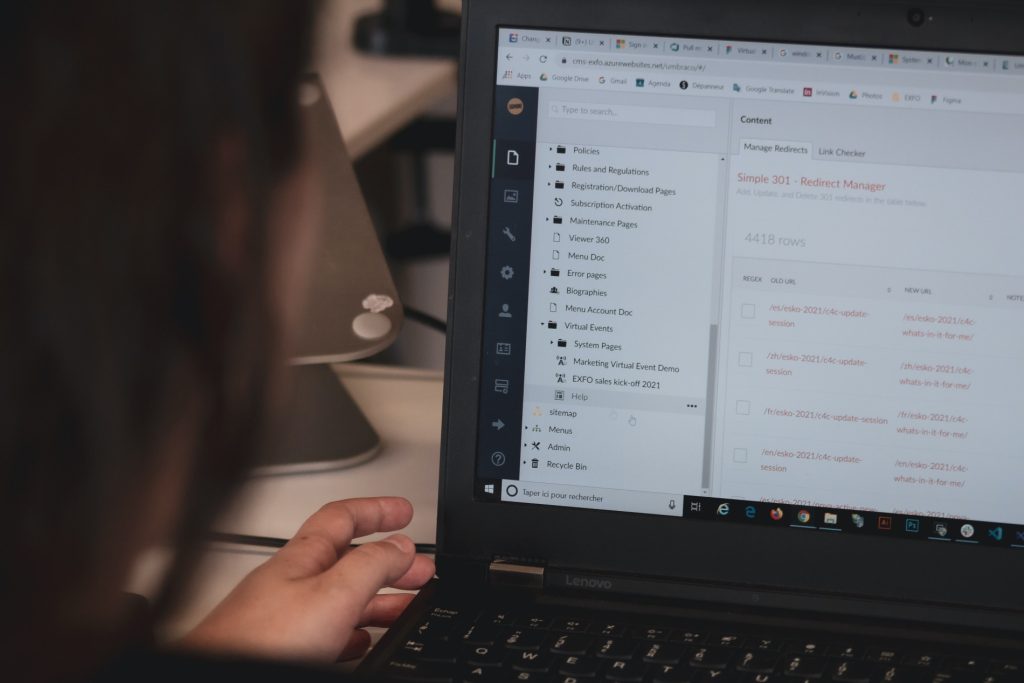
In the complex world of modern business, streamlined operations, efficient resource management, and real-time insights are paramount. This is where Enterprise Resource Planning (ERP) systems come into play. These powerful technological solutions have transformed the way businesses operate, helping them manage various facets of their operations seamlessly. In this article, we will delve into the…
Quality assurance in manufacturing: Ensuring excellence on the production line
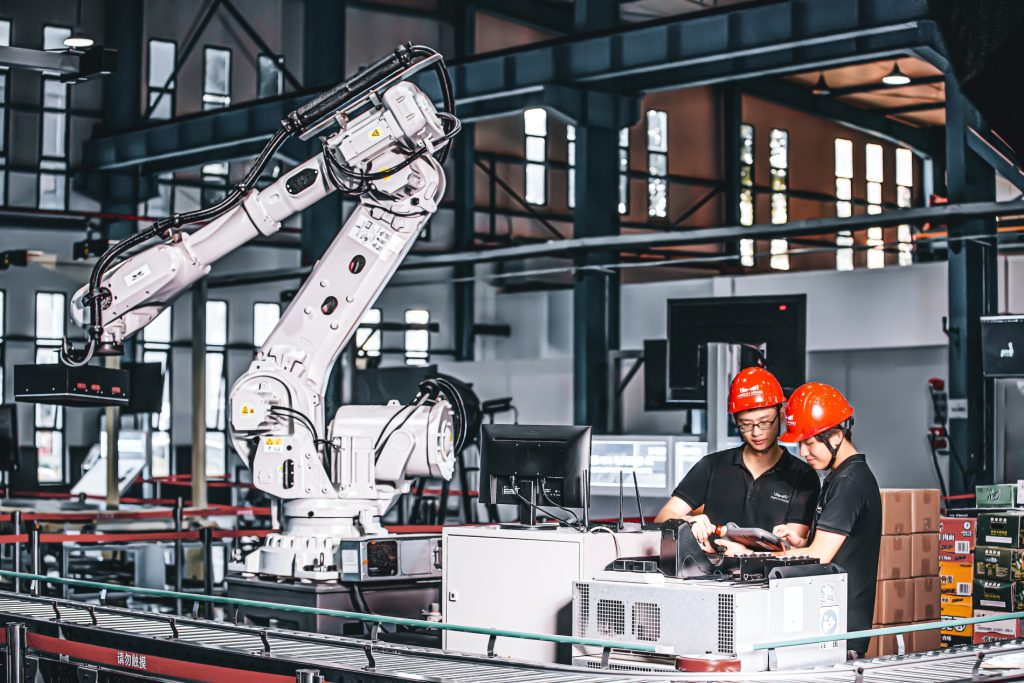
Quality assurance in manufacturing is a systematic approach to guaranteeing the production of high-quality products that meet or exceed customer expectations. It involves a series of planned activities, standards, and procedures aimed at preventing defects and ensuring consistency throughout the manufacturing process. Quality assurance is vital in manufacturing for various reasons, ranging from customer satisfaction…

Navigating a career in cybersecurity
Cybersecurity has become one of the crucial spaces for organisations to focus on in current times. Building a successful career in cybersecurity requires technical skills and relevant certifications. This article highlights some of the key points to navigating your career in the cybersecurity space. Technical proficiency: A strong foundation in technical skills is essential…

Building a strong company culture: Essential tips for success
Building a strong company culture has become more important in today’s competitive business landscape. A positive and inclusive work environment attracts top talent and fosters employee engagement, productivity, and loyalty. It sets the foundation for innovation, collaboration, and long-term success. This article will explore essential tips to help you build a thriving company culture. Establish…

The crucial role of emotional intelligence in customer service
In today’s highly competitive business landscape, organisations are constantly striving to provide exceptional customer service to gain a competitive edge. While technical skills and product knowledge are undoubtedly important, the key differentiating factor lies in the realm of emotional intelligence. Emotional intelligence, or EQ, plays a vital role in customer service roles by fostering meaningful…

Unravelling the correlation between AI and Human Intelligence
The rapid advancement of Artificial Intelligence (AI) and its integration into various aspects of our lives has spurred intense debates and speculation about its impact on human intelligence. In this blog, we dive into the complex relationship between AI and human intelligence, exploring how cutting-edge technologies are reshaping this correlation and paving the way for…

Understanding modern slavery in the supply chain industry
The global supply chain industry, which enables the movement of goods and services across borders, has long been plagued by a dark secret: modern slavery. Despite significant progress in recent years, the exploitation and forced labour of vulnerable individuals persist within complex supply networks. This article delves into the issue of modern slavery in the…

The power of social media in the modern marketing landscape
In today’s digital age, social media has revolutionised the way businesses engage with their audience and market their products and/or services. With the widespread popularity and extensive reach, social media platforms have become a vital tool for businesses to connect, engage and influence consumers. Below we detail why social media is incredibly effective in the…

Unleashing the full potential: Harnessing the synergy of external recruitment while nurturing an internal talent acquisition team
In the dynamic and competitive world of talent acquisition, organisations face the ongoing challenge of attracting and retaining top talent. Many companies have responded by establishing their own talent acquisition teams, dedicating resources to sourcing, assessing, and onboarding skilled professionals. However, even with a capable internal team there are situations where leveraging external recruitment can…